Resource Center — Complete 2026 Guide
How to Start a Skincare Line: The Complete Guide
Have you ever thought about creating your own skincare line but weren't sure where to begin? Whether you're a dermatologist, plastic surgeon, med spa owner, esthetician, or skincare entrepreneur, launching a brand involves much more than putting a logo on a bottle.
How Does the Private Label Skincare Process Work?
Our private label process is designed to give you the flexibility to create a skincare collection that reflects your individual brand, customers, and business goals. From selecting formulations and packaging to developing your brand identity, creating compliant labels, and preparing for production, every step shapes how your skincare line will look, feel, and perform in the marketplace.
Define Your Skincare Brand
Before selecting products, start with your brand.
- Who is your ideal customer?
- What type of skincare line do you want to create?
- What makes your brand different?
A dermatologist may want to develop a professional homecare regimen for patients. A med spa may want products that complement its aesthetic services. An esthetician may want to extend the treatment-room experience into the client's daily routine. An entrepreneur may be building an entirely new skincare concept. Understanding your audience helps determine everything that follows—from formulations and packaging to pricing and marketing.
Decide Between Private Label and Custom Formulation
One of the first decisions you'll make is how your products will be developed.
Private Label Skincare
Private label allows you to select professionally developed skincare formulations and sell them under your own brand. This significantly simplifies development, allowing you to focus on product selection, packaging, branding, education, and marketing.
Custom Skincare Formulation
Custom formulation involves developing a formula specifically for your brand. Depending on the product, this requires additional formulation work, stability testing, higher minimum quantities, development costs, and longer timelines. For most new brands and medical practices, private label provides the most efficient path to market.
Choose the Right Skincare Products
You do not necessarily need dozens of products to launch a successful brand.
Start by creating a thoughtful regimen around your target customer. Depending on your brand, your initial collection could include Cleansers, Toners, Exfoliating products, Serums, Moisturizers, Eye products, Masks, Professional skincare products, Mineral SPF products, or Targeted formulations. The goal isn't simply to have more products—it is to create a cohesive line that makes sense for your customer.
Sample Your Formulations
Never choose a skincare formulation based solely on an ingredient list.
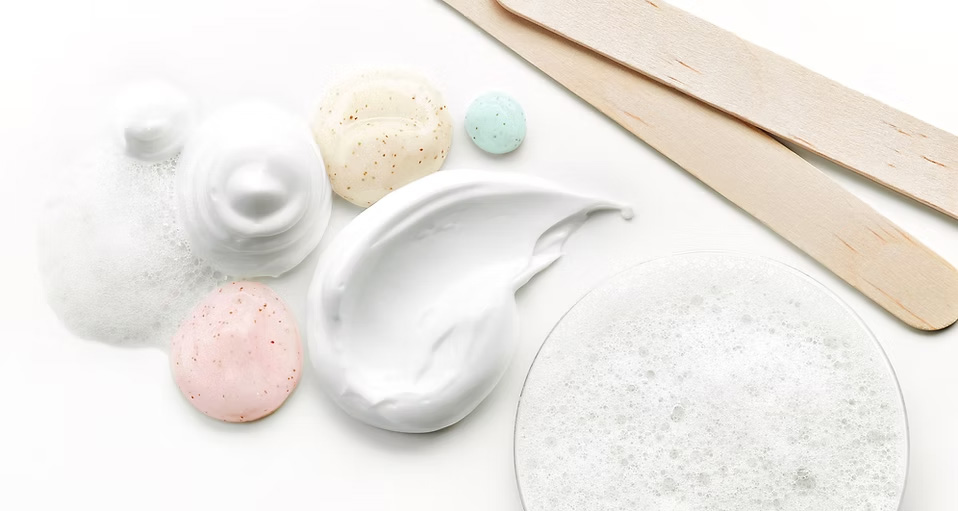
Sample it. Evaluate the texture, absorption, application, finish, and overall experience of the product. Think about how the products work together as a regimen and how they align with the customer you're trying to reach. For professional practices, staff education is also important—your team should understand where each product fits within the regimen so they can educate clients with confidence.
Choose Your Packaging
Packaging is one of the most exciting—and important—parts of building a brand.
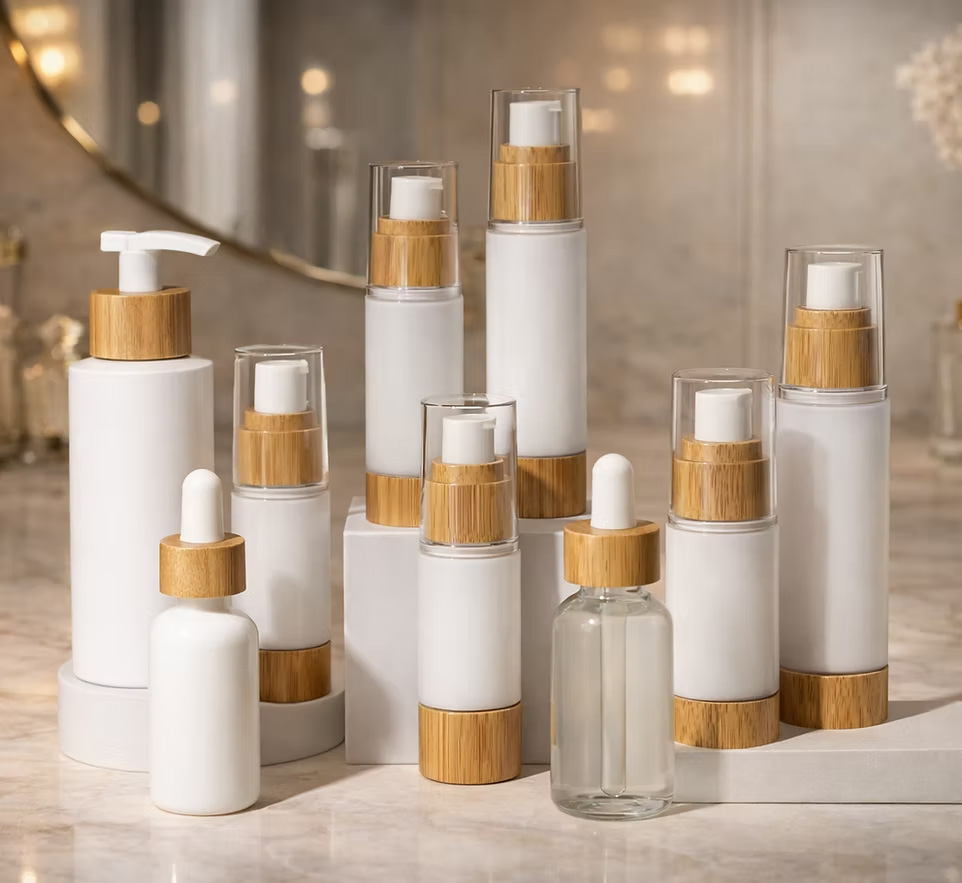
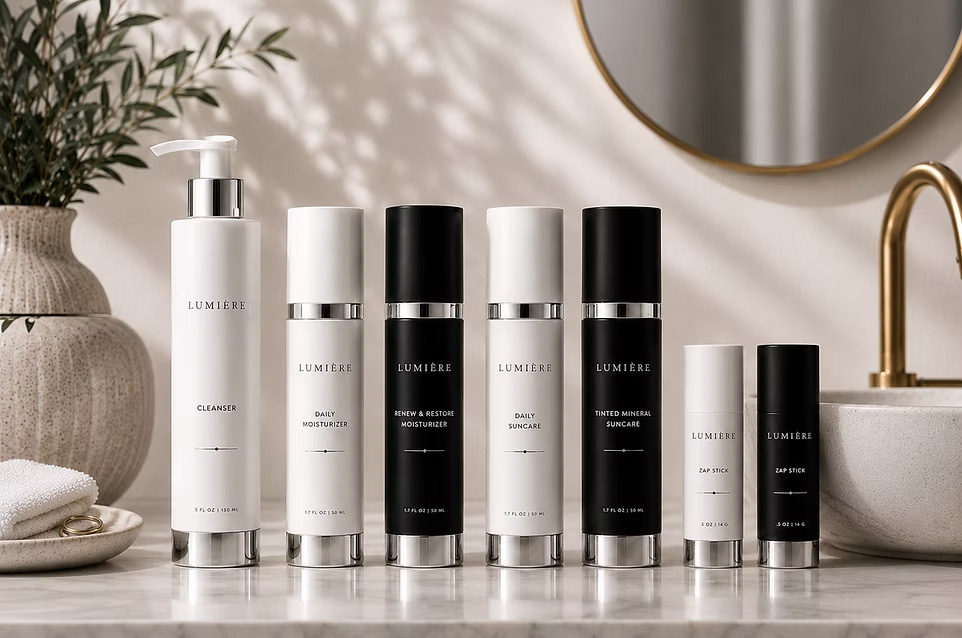
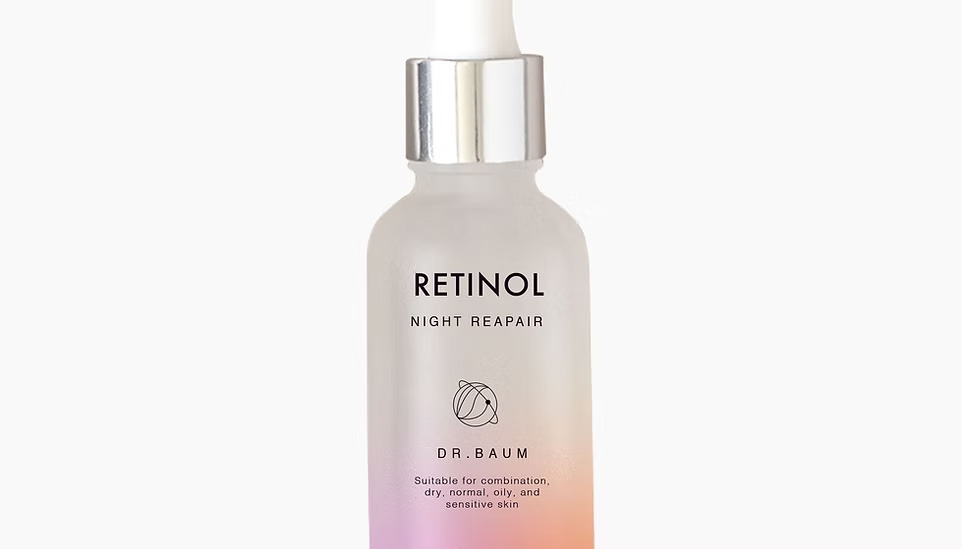
Your packaging should reflect your brand positioning while remaining appropriate for the formulation it contains. Options include airless bottles, pumps, jars, glass bottles, droppers, tubes, bamboo packaging, frosted glass, and unit cartons. Formulation and packaging must be compatible — a beautiful bottle isn't valuable if it doesn't dispense properly.
Develop Your Brand Identity
Now your skincare line begins to look like a brand.
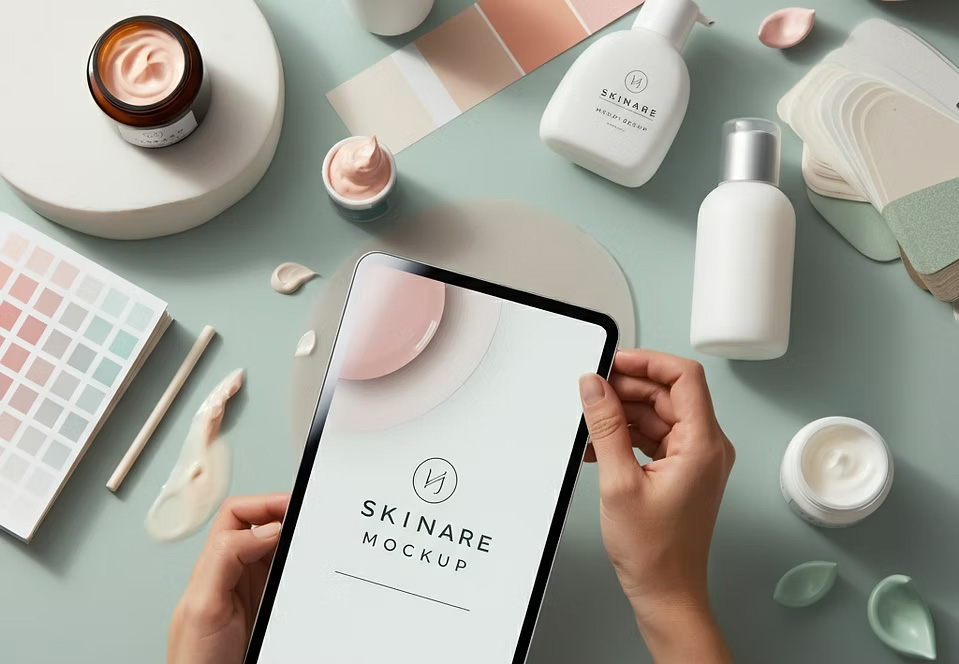
Establish your logo, brand colors, typography, product names, brand voice, and packaging aesthetic. Think beyond individual products: when all of your products are displayed together on a shelf or website, they should look like they belong to the same family. Consistency creates a professional, recognizable skincare brand.
Create Your Skincare Labels
Skincare labeling is more complex than simply placing a logo on a bottle.
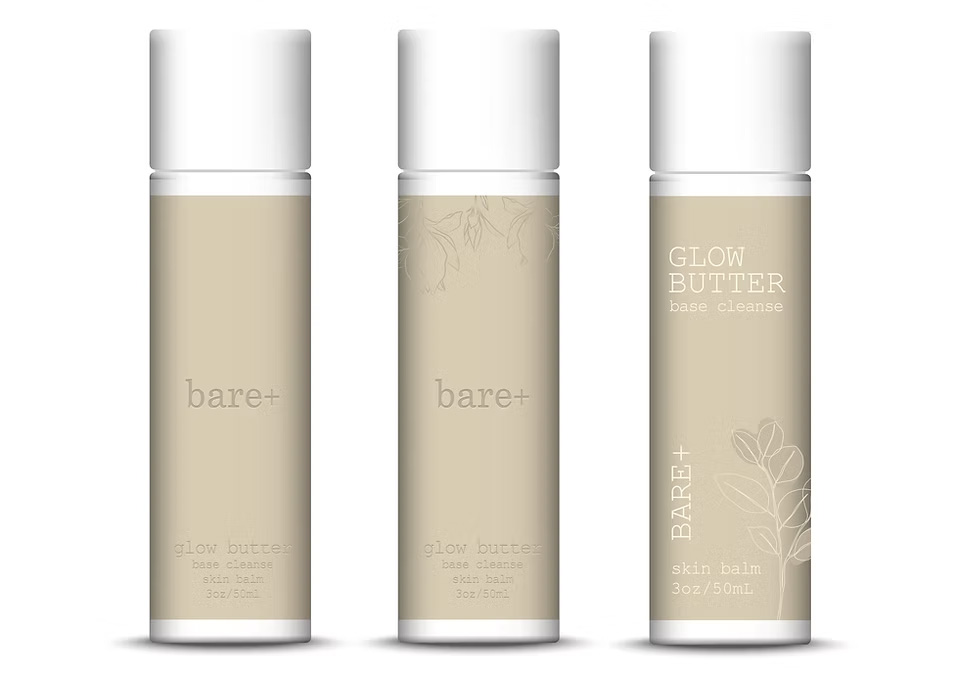
Depending on the product, labels require specific regulatory elements: Product Identity, Net Contents, Full Ingredient Declaration, Directions for Use, Warnings when applicable, and Business Information. Products with drug classifications (like OTC sunscreens or acne drugs) require strict Drug Facts panels. We create waterproof, compliant artwork that looks stunning.
Understand Skincare Claims
What you say about your skincare products matters.
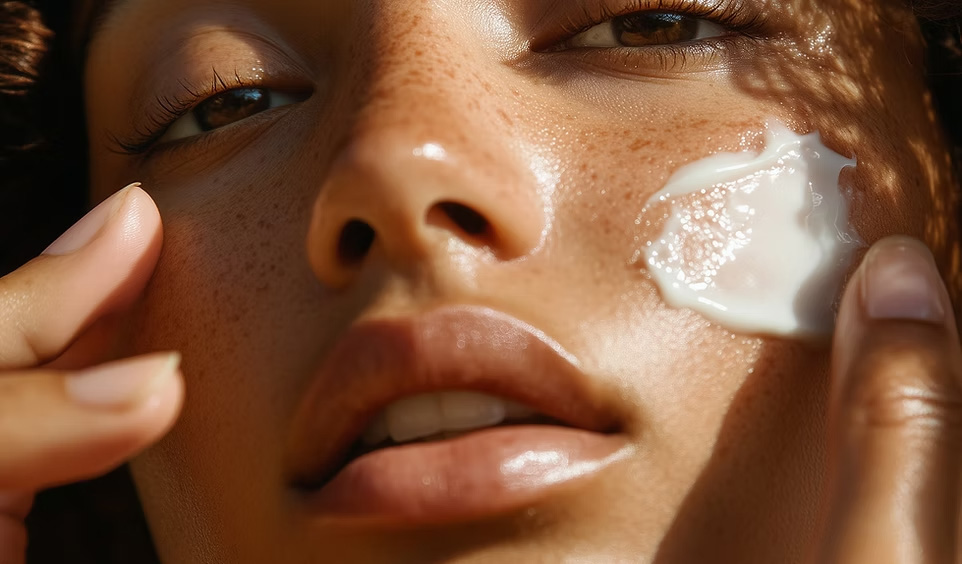
Cosmetics and drugs are regulated differently in the United States, and claims affect how a product is legally classified. Cosmetic language focuses on appearance — for example, 'helps improve the appearance of dry skin' or 'designed to support smoother-looking skin.' Claims stating a product treats, prevents, or cures a disease can trigger drug regulation.
Understand Minimum Order Quantities (MOQs)
How many products do I need to order to start a skincare line?
Minimum quantities vary based on formulation, packaging, decoration, labeling, and customization. Discuss your overall vision with your manufacturer rather than focusing only on individual bottle price. The objective is to establish a launch strategy that makes sense for your budget and business model.
Determine Your Skincare Line Budget
How much does it cost to start a skincare line?
There isn't one universal number. Investment depends on number of SKUs, order volume, formulation selection, packaging, waterproof labels, unit cartons, design requirements, and shipping. Understand the complete project scope before production begins.

Approve Everything Before Production
Carefully review final selections and proofs before manufacturing.
Before moving to production, review every detail: formulations, packaging, artwork proofs, color swatches, product names, label finishes, and unit cartons. Once production begins, changes are no longer possible.
Plan Your Launch Before Products Arrive
Don't wait until finished products arrive to start marketing.
Prepare your website copy, product photography, social media content, email marketing sequences, staff training, launch promotions, client education, retail pricing, and bundled regimens while your products are in production.

Ready to turn your skincare vision into reality?
Schedule a private-label skincare consultation with Kathy Walton and our brand specialists to map your product lineup, packaging, and launch timeline.
2-Minute Skincare Brand Quiz
Which products are right for your skincare line?
Our 2-minute quiz helps you identify the formulations, packaging, and support level that fit your brand concept, target customer, and launch timeline — before your consultation.
Starting a Skincare Line FAQ
Do You Need to Be a Dermatologist to Start a Skincare Line?
No. Skincare brands can be created by entrepreneurs, estheticians, med spa owners, physicians, dermatologists, plastic surgeons, and other professionals. What matters is developing a clear brand strategy, choosing appropriate products, and working with experienced partners who understand skincare manufacturing and regulatory considerations.
Should You Start With One Product or a Complete Skincare Line?
It depends on your business. Some entrepreneurs begin with a hero product and expand as their customer base grows. Medical practices and med spas usually benefit from launching a curated regimen (3–5 SKUs) that gives patients several products designed to fit different steps within their daily homecare routine.
How Do You Choose a Private Label Skincare Manufacturer?
Don't evaluate a manufacturer solely on price. Ask about formulation options, sampling programs, minimum order quantities, manufacturing capabilities, packaging options, labeling compliance, regulatory support, production timelines, product education, and brand-development support.
Why Work With Inspira Skin?
At Inspira Skin, we believe private labeling should be more than putting your logo on a bottle. Our team brings decades of experience across professional skincare, medical aesthetics, sales, and practice growth. We guide clients through formulation selection, sampling, packaging, label development, production, and launch support.
Explore More Private Label Resources
Continue learning about our process, formulation catalog, and packaging options.
Our Private Label Process
Learn how we take your skincare line from initial concept through production.
Skincare Formulations
Explore all 82 professional medical-grade skincare formulation options.
Packaging & Labeling
Discover airless, frosted glass, bamboo, and standard packaging options.
Private Label FAQ
Get answers to common questions about minimums, timelines, and costs.
Free Private Label Skincare Guide
Looking to start your own private label skincare line?
Have questions or don't know where to start? Download our free Private Label Skincare Guide for a detailed walkthrough of formulations, packaging options, waterproof labeling, low MOQs, and launch steps.
Ready to start your own skincare line?
Your skincare line begins with a conversation. Tell us about your vision, your customer, and what you're hoping to build.